
VOID
“The envelope exceeds the surface by incorporating a much wider set of attachments within the issues of construction and representation that converge in the design of the physical limit of a building.”
Alejandro Zaera-Polo
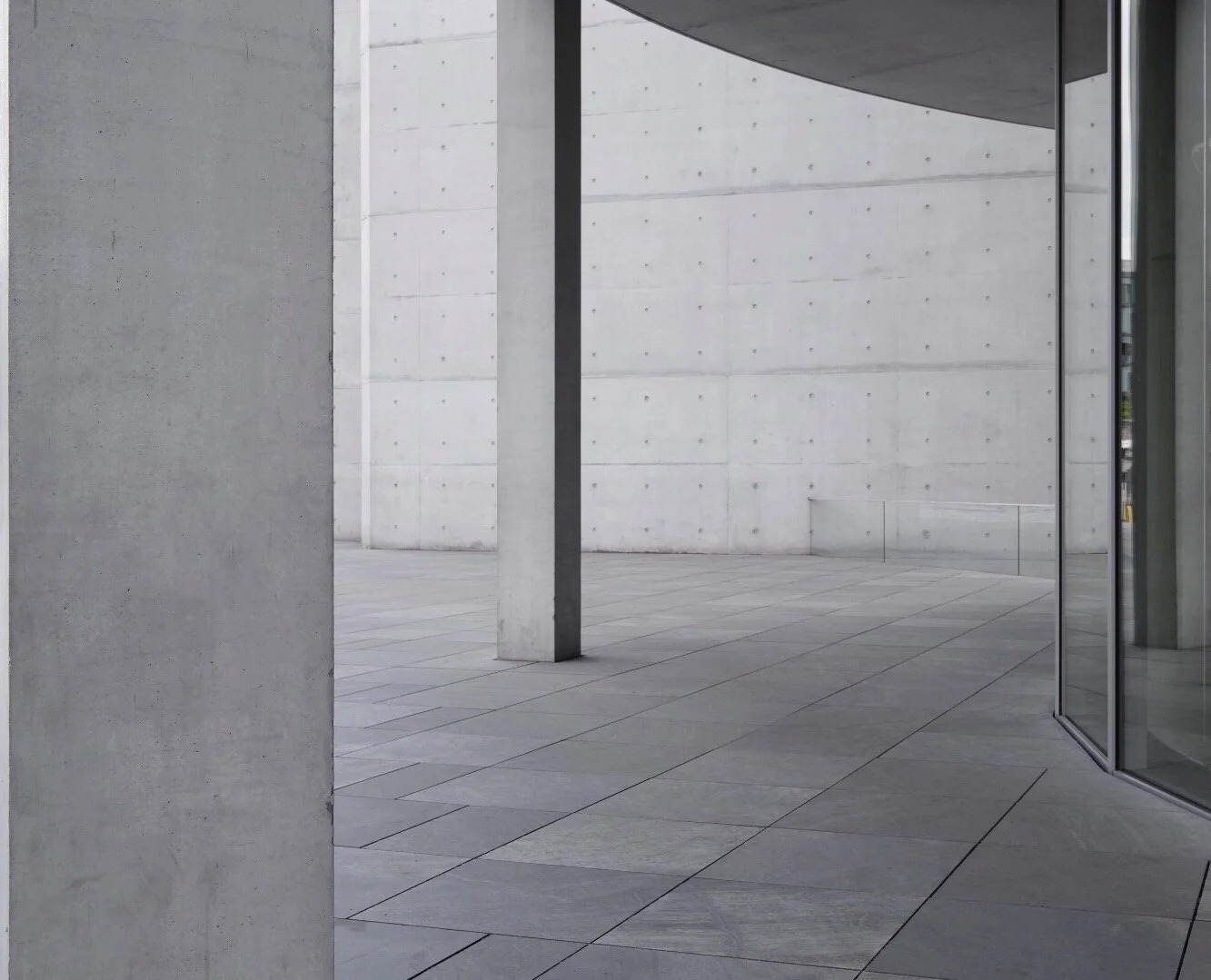
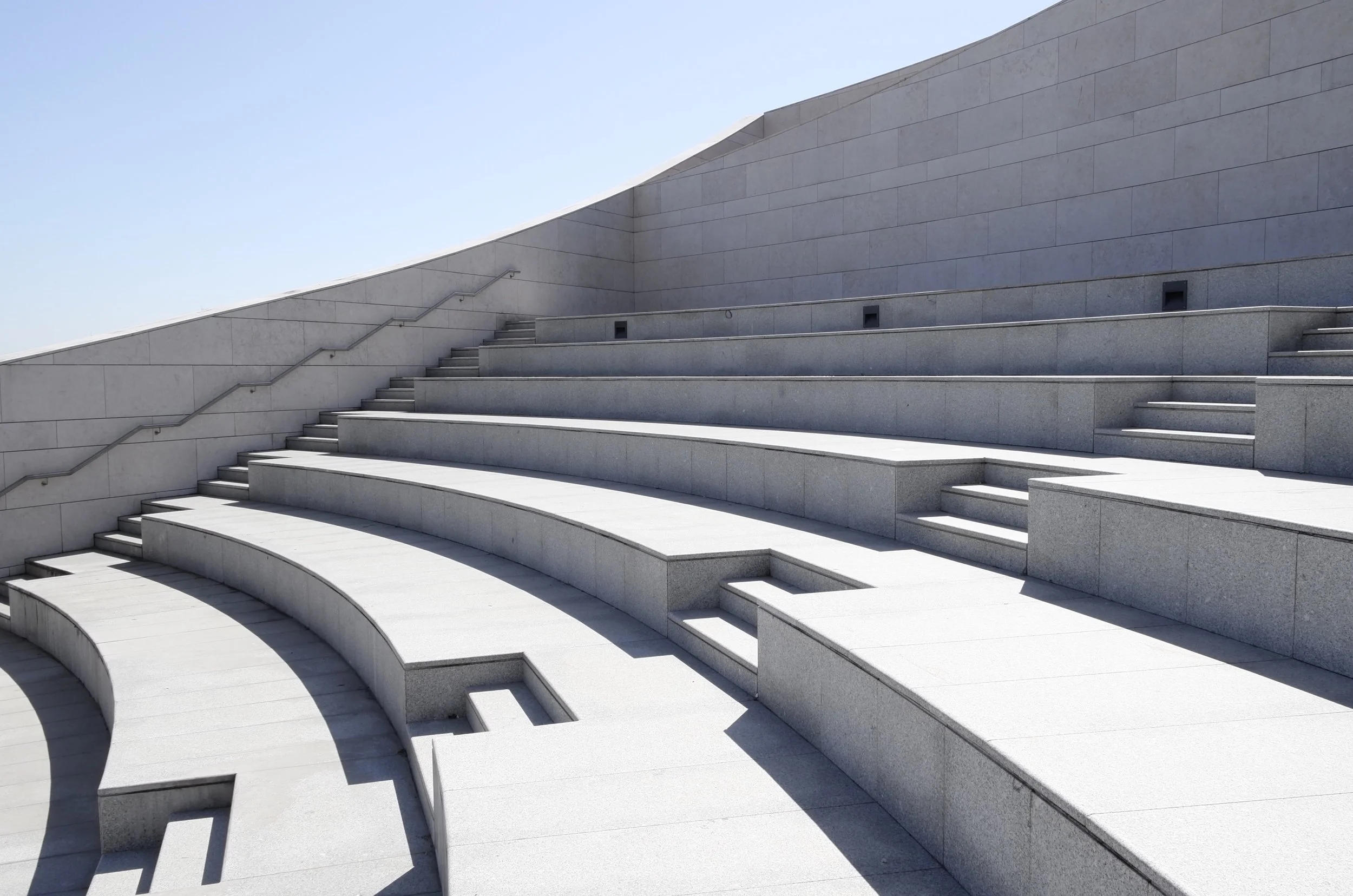
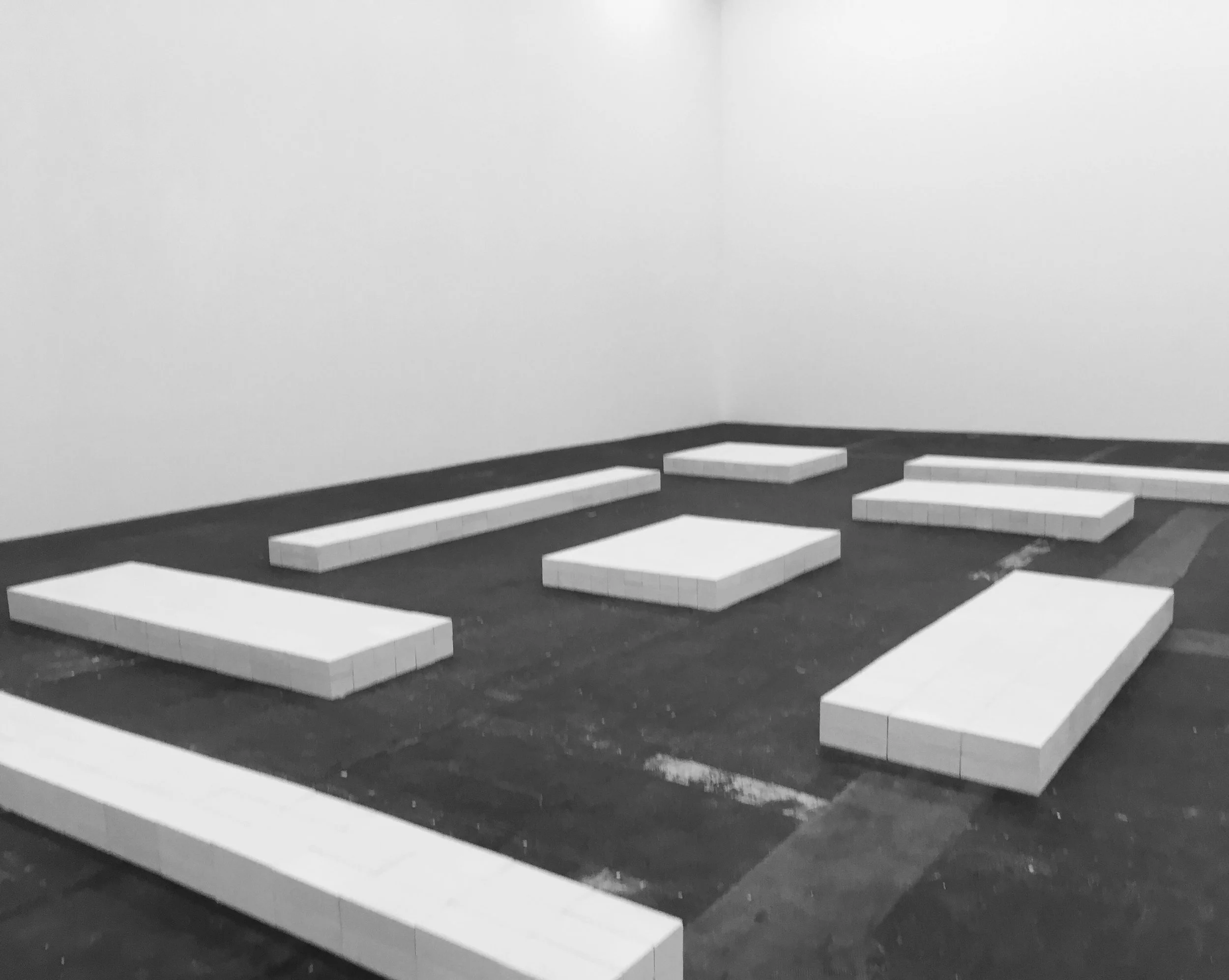
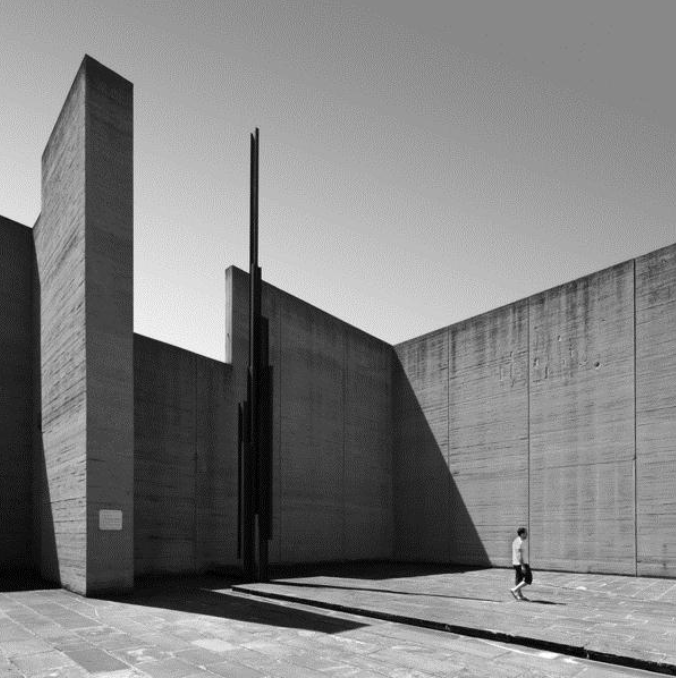
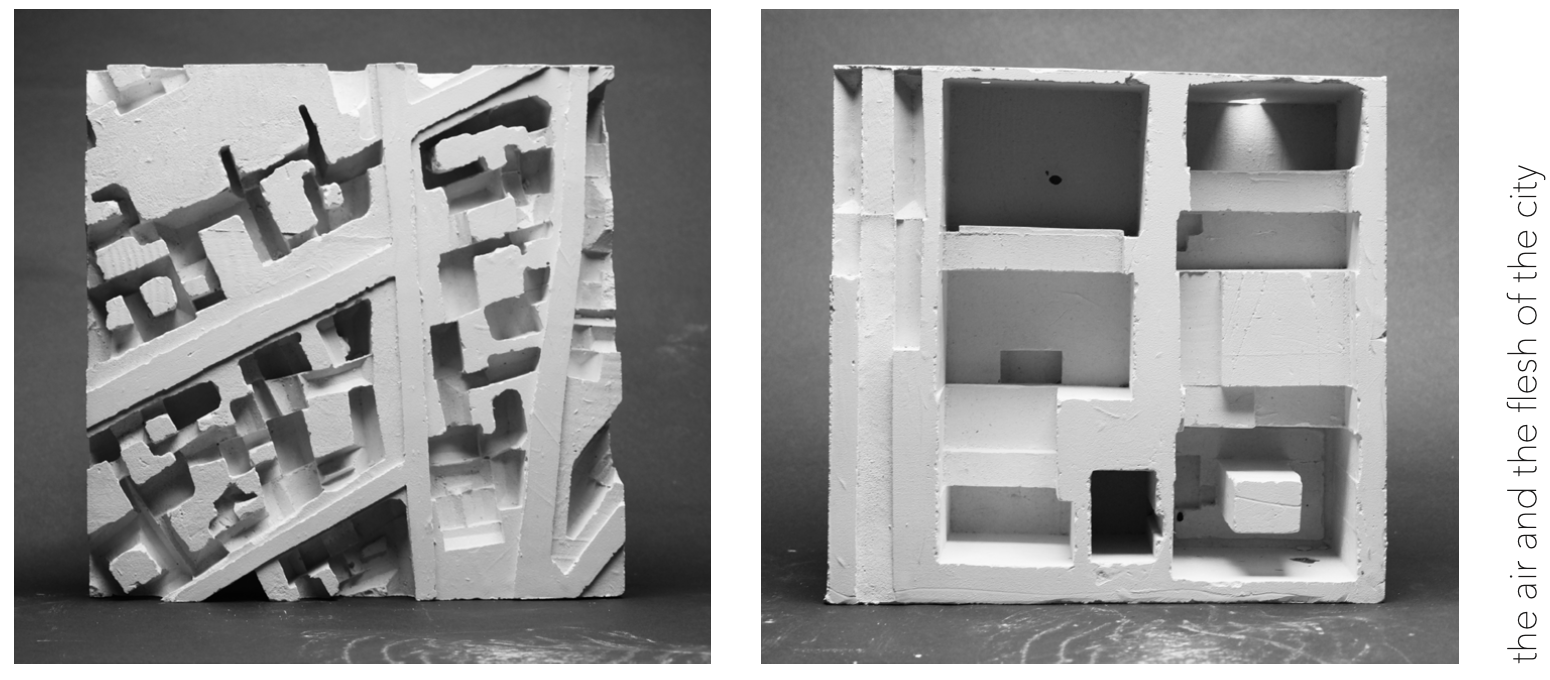
For the project “Dictionary of Architectural Terms”, where we tried to give a definition to the chosen word, I chose the word void or emptiness of urban wastelands. In order to better understand and feel the empty spaces in the city, I made a mockup in which the buildings remained empty, and the air was filled with concrete - a reverse mockup, opposite from the usual modeling. The city consists of buildings and voids between them. However, we try to analyze the voids between them, which shape the urban environment. My task was to determine the boundaries of the air in the city. The result is a form of the air between the buildings.
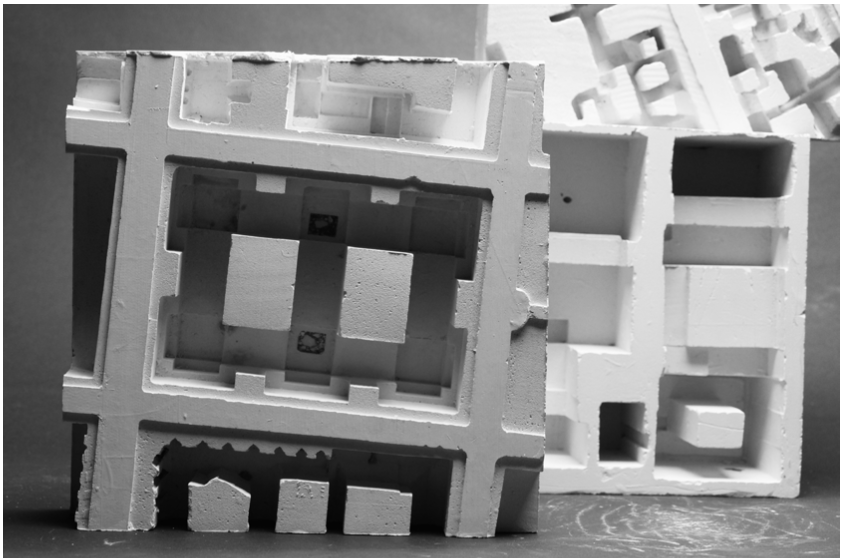
It is impossible to imagine a building, a street, a district or even a whole city (including its structures and voids) in which there would be no empty space, or vice versa, a building consisting entirely of voids, without a material shell. The task of the architect is not only to design the “shell” of the future building, but also the empty space that this very shell forms, both inside and outside.