
HABITABLE VOID
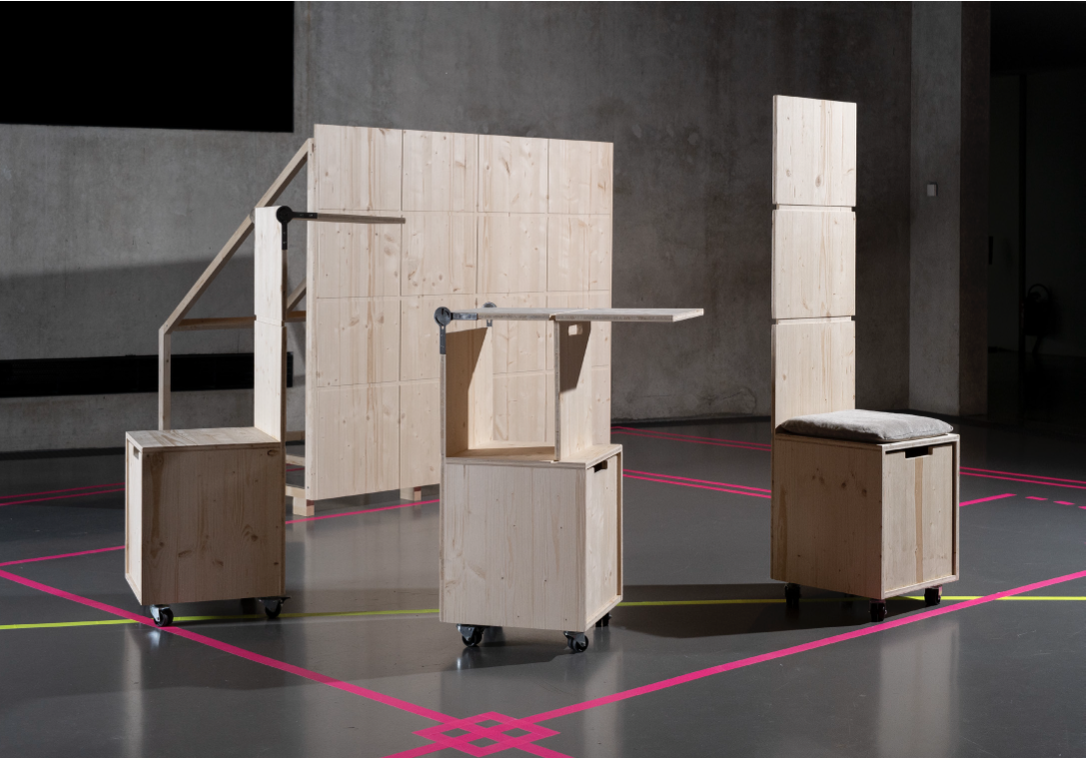
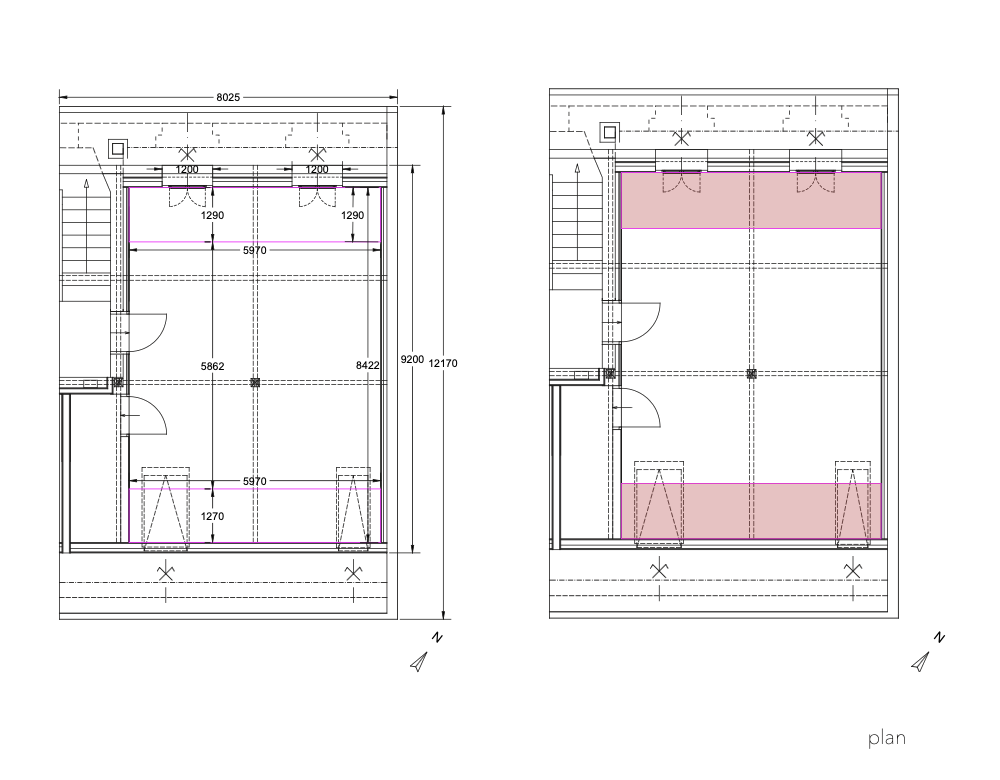
The project stems from a long-term exploration of architectural voids - spatial gaps often overlooked or left undefined. A key moment was discovering SIA Standard 416, which states that spaces under 1.5 meters in height (e.g., attics) are classified as non-habitable. Realizing my own attic apartment fits this definition, I turned this legal void into a conceptual framework. Habitable Void inverts the logic of domestic space: non-habitable areas become fully functional, while habitable spaces remain empty, undefined, and open to interpretation. Essential activities: sleeping, cooking, dining, lounging - are placed in the zones below 1.5 meters.
Modular Object
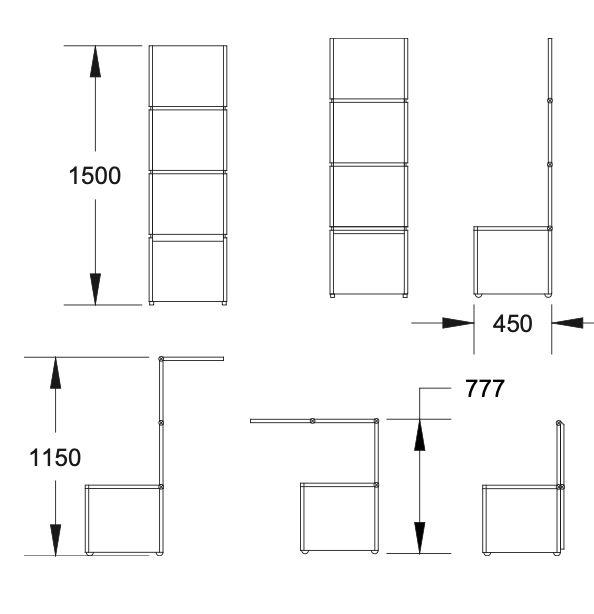
As an extension of the concept, a modular chair was developed. This multifunctional block transforms into a chair, table, or bar counter, supporting a lifestyle that adapts to change and challenges normative spatial rules.
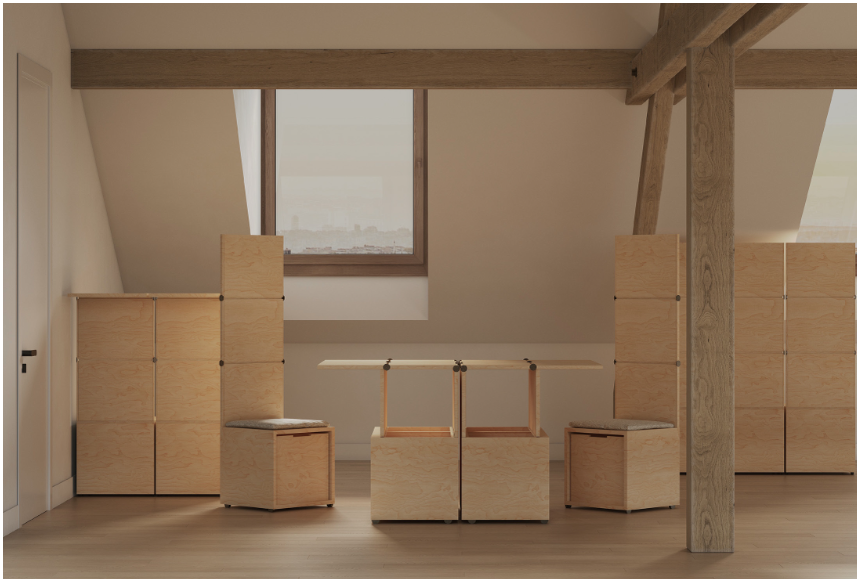
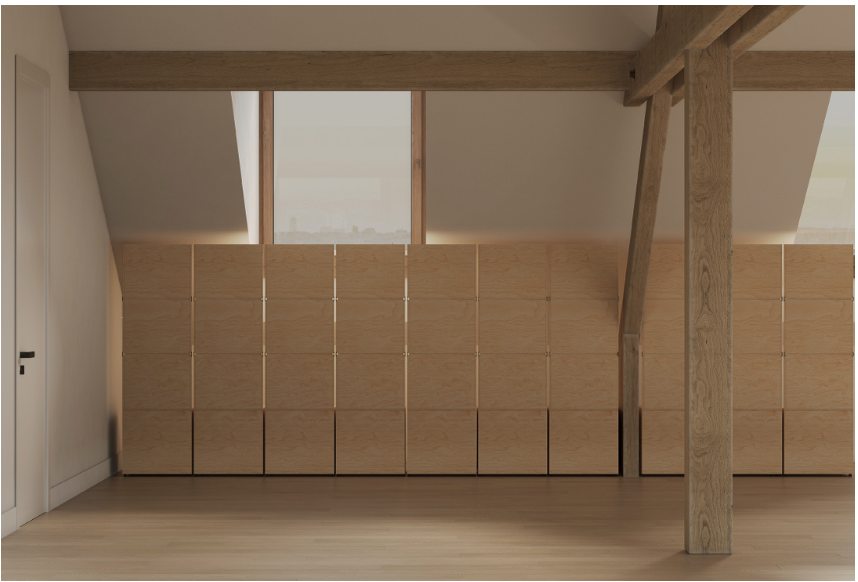
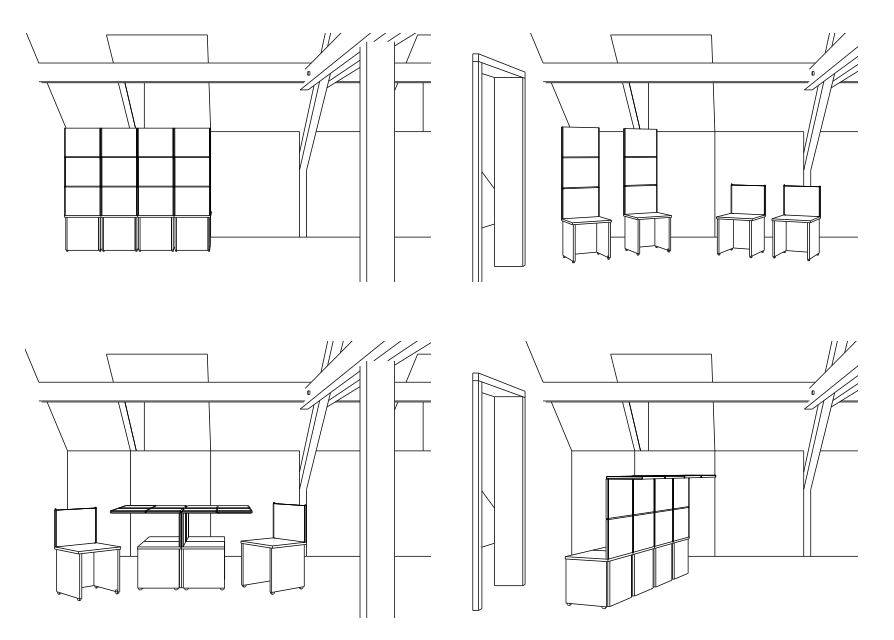
Habitable Void challenges spatial norms by activating forgotten zones. Through modularity, flexibility, and redefinition, the project opens new possibilities for how we inhabit space – both physically and conceptually.